What Vinyl Wrapping Is and Why This Service Is So Popular
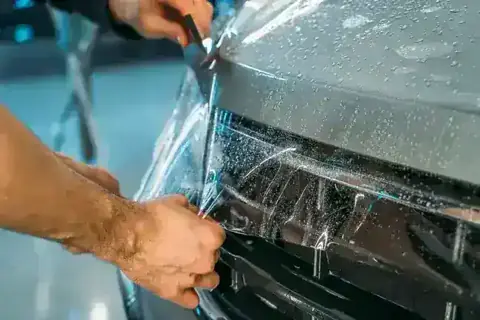
Vinyl wrapping applies a decorative film to a vehicle to change its color, finish or selected accents without repainting. It is a styling option; material and work scope depend on the goal and the condition of the car.
A wrap allows a new visual design without a full repaint. Removal, preparation and completion time are agreed for the particular vehicle and the condition of its surface.
At the same time, realistic expectations matter. Vinyl can be excellent for styling and partial preservation of the original paint surface, but it is not the same thing as PPF. That is why it is important to understand what vinyl does well, what it does not do, and when another solution may be the better fit.
The Main Advantages of Vinyl Film
1. Changing the Color Without Repainting
The most obvious benefit is the ability to change the look of the car without paintwork. If you want a black car to become matte, a white car to gain a satin finish, or certain elements to be darkened or contrasted, vinyl gives you much more flexibility than traditional repainting.
This is especially convenient when:
- you want to test a design without irreversible intervention;
- the car is leased or you may want to return to the factory color later;
- you only want partial changes, such as the roof, mirrors, spoiler, or trim;
- the car is used commercially and temporary branding is needed.
2. Creating a More Individual Style
Vinyl offers more freedom than a simple “color change.” It can be gloss, matte, satin, metallic, brushed, or other visual effects, and it also makes design elements possible: stripes, logos, graphics, contrasting accents, and more.
That is why vinyl is popular not only on premium cars, but also on everyday vehicles. A well-chosen color or finish can completely change how the car is perceived, and a properly wrapped car often looks cleaner and more factory-like than a badly repainted one.
3. Preserving the Factory Paint
Vinyl adds a separate layer over the paint. Its properties depend on the film series and use conditions; protection against every scratch, stone or fading cannot be assumed. For mechanical paint protection, consider PPF separately.
Paint condition matters both before installation and during later removal. Old or repaired paint, weak adhesion, film age and use conditions affect the outcome. Inspection and the repair history help agree the work approach.
4. Planning the work
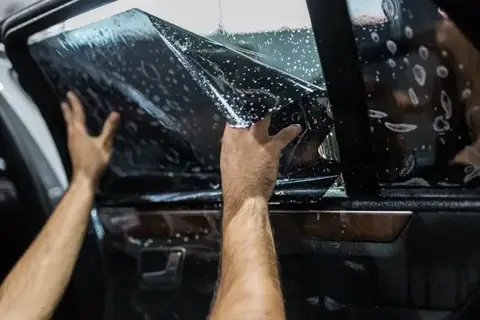
The work includes inspection, cleaning, agreed preparation, material selection and installation. Timing depends on surface condition, covered areas and body shape. Confirm the time estimate for your task.
5. The Ability to Return to the Original Look
Vinyl can be removed, but the result depends on the material, paint and use history. For example, the 3M 2080 maintenance FAQ makes factory-paint preservation conditional on its application, care and removal requirements. Those are conditions for that series, not a guarantee for every vinyl film; agree removal with a professional.
This is especially useful for owners who want flexibility rather than a one-way visual change.
Where Vinyl Works Well — and Where Expectations Should Stay Realistic
Vinyl works best when the main goal is styling, visual refresh, or controlled design change. It can also provide some day-to-day surface shielding, but it should not be chosen under the false expectation that it offers the same class of physical protection as PPF.
If you want the car to look different, stand out, or gain a premium custom appearance without repainting, vinyl is a strong solution.
If your real priority is reducing chip damage on the front end, preserving vulnerable paint in highway use, and getting stronger mechanical protection, then vinyl is usually not the most appropriate choice.
Vinyl vs PPF: What Is the Practical Difference?
These two products are often confused because both involve wrapping the car in a film. In reality, they solve different tasks.
Vinyl Is Better When:
- the main goal is styling and design;
- you want a full or partial color change;
- you want to create a more individual look;
- branding, chrome delete, or temporary visual transformation is important;
- reversibility matters.
PPF or Colored Protective Film Is Better When:
- real mechanical protection matters most;
- the car often drives on the highway;
- the front end regularly suffers from chips;
- preserving paint matters more than changing style;
- you want both style and a higher level of protection.
At BESTAUTO, full vinyl wrapping starts from 6900 ₾, a full color change with protective PPF from 7900 ₾, and chrome delete from 300 ₾. These are different materials and jobs. Check the color-change service and price list; the estimate depends on the selected material, areas and preparation.
What Matters Before Vinyl Wrapping
Surface Condition
Vinyl should not be applied blindly over a surface that clearly needs preparation. Existing defects, contamination, or poor paint condition can negatively affect both appearance and durability.
Correct Material Choice
Not every vinyl is equally suitable for every task. The color, finish, climate, use scenario, and owner expectations should all be considered.
Installation Quality
A great material can still produce a poor result if installation quality is weak. Edges, alignment, complex panel shapes, and overall cleanliness of the job matter enormously.
Care: How to Keep Vinyl Looking Good
Safe Washing
To keep vinyl in good condition, avoid:
- rough brushes;
- aggressive unknown chemicals;
- wiping the surface with a dirty cloth.
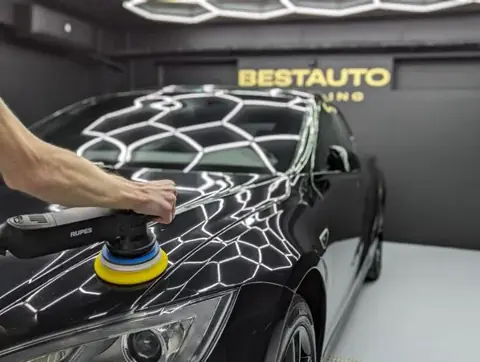
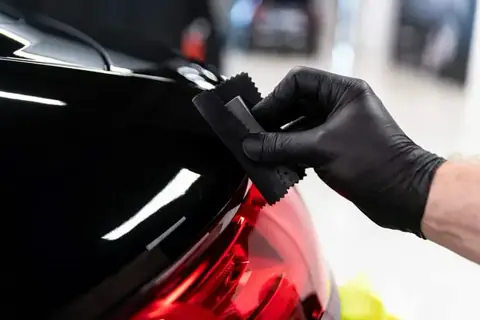
Choose a gentle wash and care products suitable for the specific film and finish. Confirm instructions with the installer; a product or polishing method suitable for one glossy film may not suit a matte or satin material.
Quick Response to Contamination
Do not leave the following on the wrap for too long:
- bird droppings;
- insect residue;
- tar;
- tree sap;
- aggressive chemical contamination.
The faster you remove them, the lower the chance of visual change and premature aging of the film.
The Effect of Sun and Heat
Climate also affects vinyl lifespan. A car that constantly stays in the sun and is rarely cleaned will lose its ideal appearance faster than one that is maintained regularly. This matters especially for matte finishes and more unusual textures.
Common Mistakes That Ruin the Result
Poor outcomes with vinyl usually come not from the film itself, but from the wrong decisions around it. Typical mistakes include:
- choosing a color only by online photo instead of a real sample;
- applying film to a surface that first needs preparation;
- buying the cheapest option only for the initial price;
- ignoring care rules from the first weeks onward;
- confusing vinyl with PPF without defining the goal in advance.
If it is clear from the beginning whether you want simple visual change or visual change plus stronger protection, the final result becomes far more predictable.
Who Vinyl Wrap Is For — and Who Should Be More Careful
Vinyl is a good fit if:
- you want the car to look more interesting;
- you do not want a full repaint;
- you need a full or partial color change;
- design flexibility matters to you;
- you want branding or chrome delete;
- you may want to return to the original look later.
Vinyl should be chosen more cautiously if:
- your top priority is strong physical protection;
- the car spends a lot of time on the highway;
- the front end regularly gets stone chips;
- preserving paint matters more than changing style.
In those cases, clear PPF or colored protective PPF may be more suitable. Clear PPF preserves the existing color; colored PPF combines a new color with a protective-film solution. Start with the task rather than treating the two products as interchangeable.
Conclusion
Vinyl wrapping changes color and styling without a full repaint. Design flexibility is its main advantage. Underlying paint condition, care requirements and later removal need to be checked for the specific film and vehicle.
But realistic expectations are essential. Vinyl remains primarily a styling and aesthetic solution. If your highest priority is mechanical protection, reduction of chip risk, and a stronger protective barrier, PPF or colored protective film is often the better option.
That is why the best result begins not with choosing a color, but with proper consultation. First define the task, the condition of the car, and the way the vehicle is used — only then choose the material that truly matches those conditions.
All services are available at both studios: Saburtalo and Guramishvili.
To move from material choice to a design, see how finish and light change the appearance of color. For the estimate scope, read the wrapping cost guide.