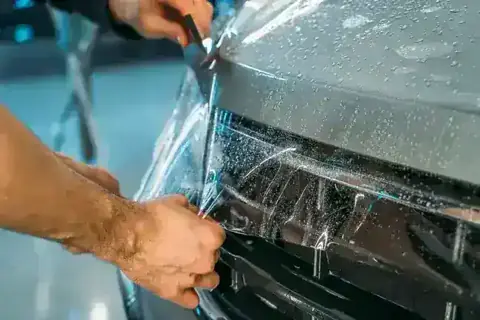
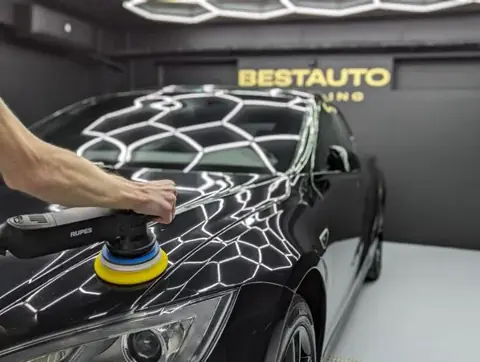
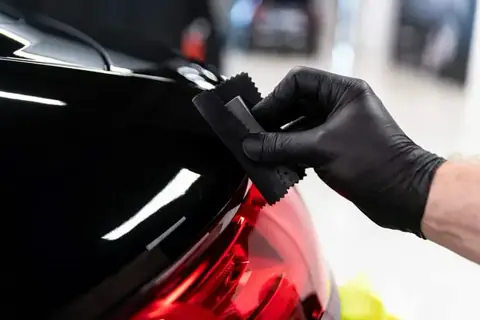
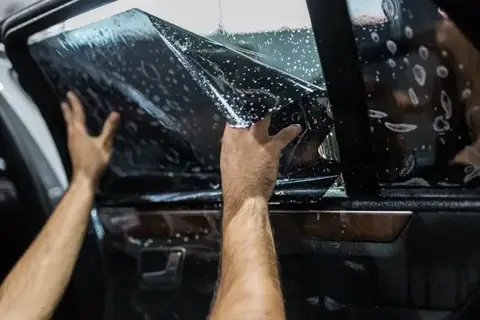
Vinyl changes more than a body-color label. Finish, light, panel shape and installation quality all affect how a vehicle looks. The same color may look different on two models or under different lighting, so compare a real sample with your own car.
This article covers gloss, matte and satin, lighting, surface preparation and the choice between vinyl and colored protective PPF. Styling examples help compare a shade and finish with your model and preferences.
What really changes after wrapping a car in vinyl
A color-change wrap primarily changes the visual appearance of a vehicle. Body color and finish can change the impression of its shape and character. For example:
- gloss black makes a car look sharper, “wetter,” and more formal;
- matte gray gives the body a more technical, calm, and sporty feel;
- satin creates a balance between matte and gloss and often looks the most modern;
- textured options such as carbon-look or brushed-metal finishes create a more specific, accent-driven appearance.
It is important to understand one simple thing: film is not just a color code. It works through the formula color + surface type + behavior in light. That is why two “gray” wraps can look like completely different visual solutions on the road.
Gloss, matte, and satin — why the effect differs so much
Gloss
Gloss vinyl creates pronounced reflections and can emphasize body lines. This is a film color and finish choice; ceramic coating is a separate treatment and does not replace a color change. Compare a gloss sample on different panels and in different light.
Gloss wrap suits people who want:
- the cleanest and richest possible visual effect;
- stronger color depth;
- a classic finish that matches your taste;
Reflections may make uneven surfaces or preparation issues more noticeable. Gloss, matte and satin do not repair the underlying surface: assess paint condition before selecting the material.
Matte
Matte makes color feel calmer, tighter, and more restrained. Reflections are reduced, so the body shape is read differently. Many models look more aggressive and modern in matte, especially sports sedans, coupes, and SUVs.
Matte is a good choice if you want:
- a non-standard but tasteful change;
- less reflection;
- a more tactical, minimal, or premium look.
But matte also requires more careful care. Certain stains, oils, or the wrong chemicals can be harder to remove from matte surfaces than from gloss ones.
Satin
For many owners, satin is the ideal compromise. It is not as reflective as gloss, but not as muted as matte. Satin usually looks expensive, modern, and technically clean, especially on fresh body shapes and premium color schemes.
If mirror-like reflections are not the goal but a fully matte look is not appealing, compare satin samples alongside gloss and matte. Check them against your car in different light and choose the finish you prefer.
How color changes under different lighting
In direct sunlight
In bright sun, vinyl shows its character most clearly. Gloss wraps reflect aggressively and emphasize body curves. Matte surfaces look denser and flatter. Satin reveals a softer, more premium sheen. Metallic and pearlescent shades may look far brighter outdoors than they do indoors.
In the shade
In shade, the wrap often looks calmer and more uniform. Some colors become deeper and more elegant, while others may lose brightness and appear more restrained than expected. This is why choosing color only under one lighting condition is risky.
In the evening and under artificial light
At night, streetlights, parking garage lighting, and warm artificial light can shift how the film is perceived. Some shades become warmer, others colder. Gloss continues to play with reflections strongly, while matte absorbs more of the surrounding light.
In rain and on wet surfaces
Rain changes the picture again. Gloss often looks deeper and richer on a wet surface. Satin can take on a very premium, almost liquid appearance. Matte usually remains more subdued, but if not cared for correctly, water spots can become more visible.
What determines the final visual result
1. The base shape of the car
Some vehicles naturally “carry” certain finishes better than others. A sharp-edged modern sedan may look amazing in satin gray, while a more rounded body can benefit more from a rich gloss color. Body shape affects whether a wrap looks premium or awkward.
2. Surface preparation
Film does not magically hide poor paint, waves, or contamination. If the body was prepared badly, the wrap will not make those problems disappear. In many cases, it makes them more noticeable.
Proper preparation means:
- a safe wash;
- decontamination;
- addressing obvious paint issues if needed;
- making sure the surface is clean and stable before installation.
3. Installation quality
Even the right color can be ruined by poor installation. Bad edges, uneven tension, dust under the film, misaligned lines, and weak finishing immediately cheapen the result. Vinyl is one of those services where material and installation quality are inseparable.
Popular visual scenarios when changing color
“I want the car to look more expensive”
Usually this means deep gloss black, rich metallic tones, carefully chosen satin shades, or subtle but premium-looking changes that work with the body instead of fighting it.
“I want a sporty and aggressive look”
Here matte, satin, darker tones, and specific accent combinations usually work best. The goal is stronger visual tension and sharper contrast.
“I want to refresh the look without overdoing it”
This is where restrained satin shades, tasteful gray tones, selective wrapping, or carefully chosen accent work often make the most sense.
Vinyl, dechrome, and detail accents
A full color change is not the only way to transform a car visually. Sometimes the biggest difference comes from smaller elements:
- dechroming bright trim;
- wrapping the roof, mirrors, or spoiler;
- creating contrast elements;
- visually tightening the car’s proportions through accent areas.
Selected accents can achieve a different visual result from a full wrap. Compare the required areas, material and preparation before assuming that a partial design will always be simpler or cheaper.
Vinyl or color PPF
Choose vinyl for visual styling, or colored PPF when a new color and a protective-film solution are both wanted. At BESTAUTO, full vinyl wrapping starts from 6900 ₾, colored protective PPF from 7900 ₾, and chrome delete from 300 ₾. Compare the color-change service and price list. Clear PPF protects the existing color rather than changing it.
The most common mistakes when choosing vinyl color
1. Choosing the color only by photo
Photos are useful, but they are never enough. The same wrap may look completely different on another body style, under another light, or after another level of preparation.
2. Following trend alone
A trendy finish is not always the right finish for your car. The best result usually comes when the wrap matches the car’s design, not only current fashion.
3. Ignoring body shape
Some colors and finishes visually strengthen body lines, while others flatten or distort them. Choosing without considering shape often leads to disappointment.
4. Saving on installation
Poor installation instantly destroys the premium effect, even when the material itself is good.
5. Underestimating maintenance
Gloss, matte, and satin all require slightly different care logic. If maintenance is ignored, the wrap loses its intended effect much faster.
How to arrive at the right visual result
The best result usually comes from a simple process:
- define the visual goal clearly;
- evaluate the body shape and current paint condition;
- compare finishes in different lighting;
- consider whether you need style only or style plus protection;
- choose a studio that can execute cleanly.
A good wrap should not just “look different.” It should look intentional, balanced, and natural on the car.
Conclusion
Vinyl wrap changes much more than color alone. It changes how the car is read in light, in motion, in shade, and at close range. Gloss, matte, and satin all create different visual moods, and the final impression depends as much on body shape, preparation, and installation quality as on the color itself.
If the goal is a true visual transformation, vinyl can be one of the most flexible and expressive options available. But the best result always comes when the choice is driven not by random trend, but by the specific car, the specific use case, and a realistic understanding of what you want the vehicle to look like after the wrap.
All services are available at both studios: Saburtalo and Guramishvili.
Before selecting a shade, compare the benefits and limitations of vinyl. Confirm the series and finish availability, preparation, visible coverage boundaries and later removal conditions with the studio; the cost guide helps discuss the estimate scope.