What Ceramic Coating Is and Why It Became So Popular
Ceramic coating is a protective treatment based on silicon-containing compounds or similar chemistry that forms a very thin yet durable layer on top of the paintwork. Its main task is not to “armour” the car, but to protect the surface from daily chemical and environmental exposure, enhance the visual finish, and make routine maintenance easier.
It became so popular because it gives the body two valuable benefits at the same time: a cleaner, richer look and easier day-to-day care. On a properly prepared surface, ceramic coating improves colour depth, gloss, and hydrophobic behaviour. As a result, the car looks better not only on the first day but also in regular use.
In Tbilisi, the surface needs regular cleaning to remove dust, road grime, insects, bird residue and tree sap. Ceramic coating helps with surface care, but it does not replace timely washing. The effect of contamination depends on its composition, temperature and contact time: a protective layer does not make paint invulnerable.
What Ceramic Coating Actually Does
One of the biggest real advantages of ceramic coating is hydrophobic performance. Water and dirt tend to stay on the surface less aggressively, so the car washes more easily and usually looks cleaner between washes.
Another benefit is resistance to contamination and car-care chemicals within the limits of the product selected. That does not mean bird residue, sap or road deposits can be left on the body. Prompt removal using a suitable method remains necessary; even a coated car can develop stains or surface damage.
Gloss and colour clarity depend on paint condition and preparation. UV performance and chemical resistance should be checked in the technical description of the selected formula: the word “ceramic” does not give every product identical properties. A service name alone cannot promise that any car will avoid fading or damage.
Ceramic coating does not guarantee scratch prevention during washing. Clean microfibre, suitable chemistry and careful technique remain essential. A dirty sponge or brush can harm the appearance of coated paint, so the quality of continuing care matters just as much as preparation before application.
Ceramic Coating, Stone Chips and Scratches
One of the most common misconceptions is that ceramic coating will protect the body from stone chips, strong impact, or deep scratches. It will not. Ceramic improves chemical resistance and makes care easier, but it is not a thick physical barrier.
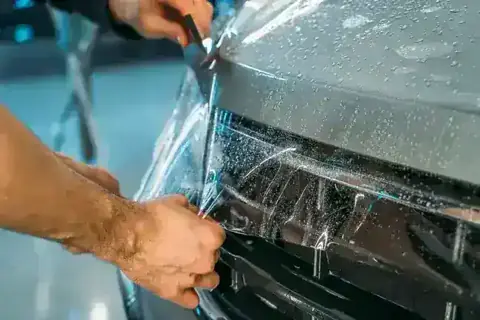
If your main goal is to protect the hood, bumper, headlights, mirrors, or other risk zones from stones and mechanical damage, PPF is the more appropriate choice. Ceramic coating and PPF are not always competitors — in many cases, they simply solve different problems.
Ceramic coating also does not hide pre-existing defects. If the surface already has holograms, deeper swirls, dull clear coat, or poorly restored paintwork, ceramic will not magically cover them. In fact, a properly applied coating often makes underlying issues more noticeable if the surface was not prepared correctly.
And finally, ceramic does not mean the car needs no maintenance. Maintenance simply becomes easier, safer, and less aggressive. If the car is regularly washed with the wrong chemicals, rough brushes, or poor automatic washes, the coating’s effect will fade significantly sooner.
When Ceramic Coating Makes the Most Sense
Ceramic coating is an excellent option for a new car when you want to preserve the factory finish for as long as possible. In that case, the surface usually requires less correction, the visual result looks especially clean, and ongoing maintenance is simpler.
It also makes sense on cars that are already in use when the owner wants better gloss, improved colour richness, and easier daily care. In that scenario, proper preparation matters: if the paint has visible defects, polishing may be needed before coating.
Ceramic coating is especially justified if:
- you care about visual appearance and gloss;
- you want the car to be easier to wash;
- the vehicle spends a lot of time outdoors;
- you want the finish to resist chemical contamination and UV exposure better;
- you plan to keep the car for several years and want a cleaner-looking paint surface over time.
How Ceramic Coating Should Be Applied
A professional process starts with inspection. The technician assesses paint condition, previous work and resprays, defects, contamination and the result you want. Preparation is agreed for the particular car: its age alone does not determine how much polishing it needs.
A proper process usually includes:
- Deep safe wash.
- Contamination removal using methods appropriate to the surface.
- Inspection under correct lighting.
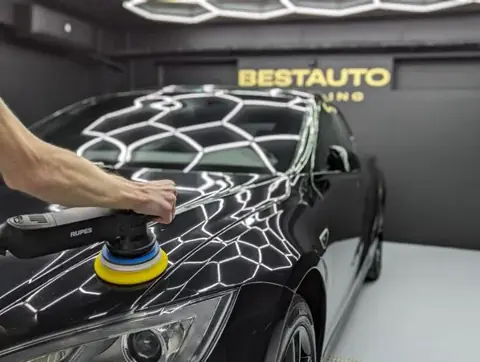
- Light or full polishing if the paint condition requires it.
- Final wipe-down and degreasing.
- Controlled application of the coating.
- Correct curing conditions and aftercare instructions.
Polishing is considered when visible swirls, holograms or other defects need reducing and the finish can be worked on safely. The amount of correction depends on the surface and the desired result. A clean finish without defects requiring correction should not automatically receive deep polishing simply because ceramic coating will follow.
How Long Ceramic Coating Lasts in Georgia
For the current BESTAUTO body-coating offer, the effect can last up to 3 years with proper care. This is not an identical guaranteed term for every car or the lifespan of every Gyeon product. Preparation, the selected formula, washing, outdoor storage and contamination all affect performance. Inspect the actual condition, gloss and water behaviour when deciding whether maintenance or renewal is needed.
A car that is properly maintained, washed safely, and not constantly abused by strong chemicals will usually keep the coating’s performance much more consistently. A car that lives outside, is washed roughly, and regularly sees hard water spots, aggressive contamination, and poor maintenance will lose its visible effect faster.
The right way to think about ceramic lifespan is not “how long will something remain technically on the surface,” but “how long will it still look and behave like ceramic in real use?” That is the practical metric owners actually care about.
How to Care for a Car with Ceramic Coating
Correct maintenance is what turns ceramic coating from a nice short-term effect into a useful long-term solution.
The main rules are simple:
- use safe hand washing whenever possible;
- choose pH-neutral shampoo or coating-safe chemistry;
- avoid harsh brushes and dirty towels;
- remove bird droppings, sap, insect residue, and tar quickly;
- dry the car properly to reduce water spot buildup;
- check the coating condition and choose compatible maintenance when needed.
Ceramic-coated cars are easier to maintain, but not maintenance-free. Consistency matters more than aggression.
Ceramic, Polishing, and PPF: How They Relate to Each Other
These three services are often mixed together, but they do different jobs.
Polishing reduces defects and improves the appearance of paint where correction is appropriate. The amount of safe work depends on the finish and the result you want. Inspection determines what is required before coating; there is no compulsory polishing package for every car, and age alone does not decide the preparation.
Ceramic coating is applied on a properly prepared surface to improve appearance, enhance hydrophobic behaviour, and make maintenance easier.
PPF creates a separate physical barrier in vulnerable areas such as the bonnet, bumper and headlights. It does not make a car immune to every impact. A coating over film should be considered only when the particular formula and installed material are compatible; a regular paint coating is not automatically appropriate for every PPF.
In short: polishing corrects, ceramic preserves and enhances, and PPF physically protects.
The Practical Side of Ceramic Coating
Ceramic is often viewed as an aesthetic service only, but it also has practical value. A protected surface that is easier to clean typically requires less aggressive maintenance, fewer restorative procedures, and less experimentation with harsh chemicals over time. This becomes especially noticeable if you plan to keep the car for several years.
A glossy, well-maintained vehicle also creates a much better first impression when sold. Ceramic coating does not magically raise the resale price, but it does help the car retain a fresher-looking appearance for longer — and that matters on the used market.
At BESTAUTO, ceramic coating for the body starts from 500 ₾. Preparation polishing, if required by the condition, is assessed separately; its starting reference is from 690 ₾. Interior coating from 300 ₾ and glass rain repellent from 150 ₾ cover other areas and are not automatically included in the body price. Check coverage, the work included and conditions in the ceramic pricing and the studio’s full price list.
Frequently Asked Questions
Does a new car need polishing before ceramic coating?
Inspection identifies transport or wash marks, holograms and other defects and the preparation that can be carried out safely. Polishing is based on condition rather than automatically on the age of the car. Agree the appearance you want and the preparation included before work begins.
Can ceramic be applied to paint in poor condition?
The finish and the cause of its condition need assessing first. Ceramic does not fix peeling, cracks or existing scratches. If correction or another repair is required, discuss it separately; coating should not substitute for addressing the underlying problem.
How soon can the car be washed after the procedure?
The rules depend on the chosen formula, its curing requirements and application conditions. Obtain specific guidance on the first wash, water and car-care chemicals when collecting the vehicle. The timetable in another product’s instructions should not automatically be applied to the coating installed.
Does ceramic protect against deep scratches?
No. It does not create a thick barrier against strong mechanical damage or make a dirty wash brush safe. If stone chips and vulnerable panels are the main concern, consider PPF separately. The material and coverage should be chosen for how you use the car.
Does ceramic coating make sense in Tbilisi?
It can suit the goals of gloss and easier care on prepared paint. Compare the condition, storage and wash routine, desired properties and budget. The current starting price for body coating is from 500 ₾; additional preparation is agreed after inspection rather than automatically included in that amount.
Preparation, application and initial care depend on the chosen material. The instructions for a particular Gyeon coating help explain those requirements. Agree the formula and conditions for your car before work begins. For ongoing care, the manufacturer describes Gyeon CeramicDetailer as a maintenance product; check its application requirements separately.
Conclusion
Ceramic coating is a good choice for owners who want to improve the way their car looks, make daily maintenance easier, and help protect the surface from chemical and environmental exposure. It does not replace PPF, and it does not eliminate the need for proper care, but when done correctly it helps the vehicle stay cleaner-looking, glossier, and easier to maintain.
If you want a ceramic coating that actually performs well, three things matter most: correct preparation, quality materials, and proper aftercare. The combination of those three factors is what determines how well — and how long — ceramic coating will work on your car.
All services are available at both studios: Saburtalo and Guramishvili.
Choosing between ceramic, wax and sealant