PPF and ceramic coating serve different purposes. PPF provides a physical film over the paint, while ceramic can make the surface easier to clean. How much each helps depends on the installed products and how the car is used. In Tbilisi, the two can be combined on impact zones and other panels when the particular film and coating are compatible. Below is the order of work and the care to discuss with the installer.
Table of contents
What each technology actually does
The two work on different physical layers, and getting that is the key to why they complement each other.
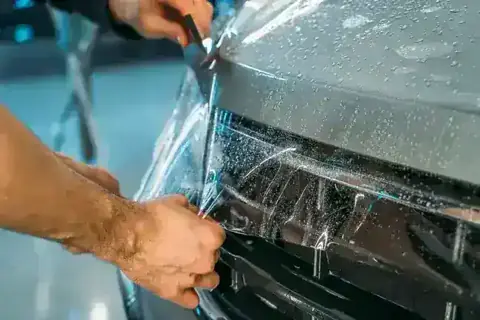
PPF paint protection film is a protective film that provides a physical barrier over the paint. Film thickness, self-healing behaviour and service life depend on the specific product and conditions. Check the maker’s warranty and care guidance for the film selected for your car.
car ceramic coating changes surface behaviour and can make washing easier. It does not prevent stone chips or make the finish immune to chemicals, bird droppings or salt. BESTAUTO ceramic coating can last up to 3 years with proper care; actual performance depends on the product, application and maintenance.
PPF provides a physical barrier against some road impacts; ceramic can make surface care easier. How easily the film itself washes depends on its topcoat.
Why combine them instead of choosing one
The two can be combined when both physical protection and easier care are useful. The benefit depends on the selected products and their compatibility.
PPF surface behaviour varies by film. Some films have water-repellent topcoats; others benefit from an added compatible ceramic coating for easier cleaning. Check the specific film before choosing an extra layer.
Sun exposure and ageing can change the appearance of a film over time, but yellowing and service life depend on the product and conditions. Do not assume that ceramic prevents PPF yellowing; ask about the selected film’s UV resistance and warranty.
Ceramic alone does not replace PPF for impact protection. Ceramic can help with paint care, but it does not create a physical barrier comparable to PPF. A strong stone impact may still damage the paint.
Select film and coating according to the owner's purpose. PPF can cover vulnerable panels or the agreed body areas; ceramic can be discussed for suitable exposed surfaces and, when compatibility is confirmed, the film itself. Agree coverage, finish and suitability for each element before work.
Correct order: PPF first, ceramic second
For a new combined installation, apply PPF to prepared paint first, then coat the film and exposed panels if the selected products are compatible.
Why PPF first. If both treatments are planned, the installer should prepare the paint and apply the film before coating the film and exposed panels. Applying PPF over an existing coating can affect adhesion, so the installer must assess preparation for the chosen products.
Gap between steps. The appropriate waiting period before coating PPF depends on the film, adhesive and coating instructions. Let the installer set the sequence and check that the film is ready before applying ceramic.
Correct studio flow:
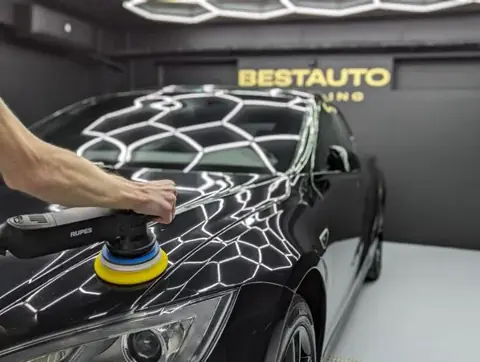
1. Intake, washing and paint inspection. Choose the required cleaning and any correction. Transparent film keeps the paint visible; select polishing according to condition rather than automatically treating every car abrasively.
2. Install PPF on the agreed panels after suitable preparation. Coverage, the surface, paint history and selected film determine the working sequence.
3. Allow the PPF to settle for the period recommended by the installer.
4. Prepare the film and exposed paint as specified for the ceramic product, then apply the compatible coating.
5. Follow the ceramic product’s initial care instructions, including any limit on water contact.
6. Start washing only when the installer says the film and coating are ready.
The studio timeline depends on film coverage, paint preparation and the chosen products. Confirm the schedule and first-wash guidance at consultation.
Compatibility: Check Both Materials
At consultation, ask for the exact film and coating names, PPF topcoat and finish. Check both manufacturers' instructions and conditions for this pairing. A brand name or a general statement that a coating suits PPF does not replace verification of the particular materials.
What matters for compatibility. Film topcoats and ceramic formulas vary. Check approval for the pairing, preparation, application requirements and the film's warranty conditions. The GYEON PPF conditions set different coating requirements for different lines; one coating's properties do not override another film's terms.
How to verify compatibility on unfamiliar brands. If you encounter a studio working with an unknown combo — two simple questions for the tech:
1. Have you run this specific pairing before, and what did it look like at 1–2 years?
2. Do both manufacturers permit this pairing, including preparation, application and any relevant warranty conditions?
If the studio cannot explain how the selected products are meant to work together, ask for their compatibility guidance. The result depends on the particular formulas and preparation.
Do brands have to match. No. Film and ceramic may come from different manufacturers, provided the selected products are compatible and applied according to their instructions. Confirm the pairing used for your car.
Studio Stages: Preparation, Installation and Handover
Agree a panel map before work: where film will be installed, which paint remains exposed and what will receive coating. The next stages are preparation, installation, readiness checks and compatible coating application. Allow each stage the time required by the selected materials; use the following points during intake.
Inspection and preparation. Agree paint condition and coverage. Cleaning is needed before installation; choose polishing when correction is required according to defects and panel history. Inspection helps decide what to address before transparent film.
Correction where needed. Assess the intended finish and the scope of paint correction for selected panels. Film keeps the paint beneath visible, but the need for polishing depends on the surface. Agree the preparation rather than assuming one universal number of stages.
PPF installation. Once prepared, the selected panels are wrapped according to the material's requirements. Ask about edge finishing and which elements are included. The installation method depends on film and surface.
After the film is installed, allow the settling time recommended for that product before the coating stage.
Once the selected film is ready, prepare its surface and exposed paint according to the chosen ceramic product’s instructions. Application details vary by formula.
Allow the ceramic to cure according to its product instructions.
At handover, get written guidance for the first wash and any temporary limits on water or cleaning products.
The total time in the studio varies with vehicle size, film coverage, preparation and the products used. Agree the schedule before work begins.
Maintenance of a layered stack
A compatible combination can make routine washing easier. Choose care for both layers: cleaning method, film-edge condition and early restrictions matter even when water repellency looks good. Obtain instructions for the actual installed materials at handover.
First days after the job. Follow the installer’s product-specific guidance before washing or applying chemicals. The initial care period depends on the film, adhesive and ceramic formulation; ask what to do if the car gets wet.
Regular wash. Use a gentle method and products compatible with both installed layers. Avoid stiff brushes and pressure directed at PPF edges. Wash when contamination calls for it rather than following a fixed interval.
What to avoid. Do not use waxes, solvents or tar removers without checking compatibility with both products. For tar or resin, use the removal method approved by the film and coating makers; avoid scrubbing.
Stone chips after impact. PPF can reduce damage from road debris, but it cannot guarantee that paint will stay intact after every impact. If film is damaged, have the installer assess whether a local repair or panel replacement is suitable and how to restore coating on that area.
Ceramic refresh. If water behaviour changes, first check for surface contamination. Whether a refresh is needed, and how it can be carried out over PPF, depends on the coating and film; ask the studio to inspect the layers.
Layered service life. BESTAUTO body ceramic has an effect up to 3 years with proper care. Ceramic on a particular PPF, the film's terms and any warranty are discussed separately. Check both layers and select renewal according to condition and instructions rather than a fixed number of reapplications.
FAQ
Is it much more expensive than a single technology?
Separate film, coating and preparation in the quote. BESTAUTO body ceramic starts at 500 ₾; full transparent PPF starts at 6 900 ₾. These service items help comparison; agree the work and price for coating the chosen film separately. The final combination depends on coverage, condition and materials, with maintenance following their instructions.
Can I do ceramic now and PPF in six months?
If ceramic is already on the paint, have the installer assess whether it must be removed or prepared before PPF application. If both are planned, discuss the product-specific order and timing during consultation.
Is PPF full-body + ceramic overkill?
Choose according to the areas the owner wants protected and how the car is used. Partial PPF can cover selected vulnerable panels; full coverage extends film to the agreed surfaces. Compare coverage, material, preparation and budget. Ceramic on exposed paint helps care but does not add the physical film barrier there; there is no compulsory coverage percentage or identical saving for every car.
If PPF gets damaged and needs replacing — does ceramic come off?
Usually the work can be assessed locally. If a film section is damaged, the installer can explain the appropriate replacement and whether ceramic on that area needs renewing. Timing depends on the repair.
Can the stack be built in phases to spread the cost?
Yes. The installer can plan PPF and ceramic as separate visits if the chosen products allow it. Confirm preparation, waiting time and first-wash instructions for both visits; the timing is not universal.
Conclusion
Ceramic over compatible PPF combines physical film protection with easier surface care. Apply the film first, then prepare and coat it according to the selected products’ instructions. Review compatibility and maintenance with the installer.
For Tbilisi driving, PPF on selected zones and compatible ceramic can be a practical combination. Film can reduce damage from some impacts and coating can ease surface cleaning. Determine lifespan, condition and care for the actual materials. Select protection scope according to the car and the owner's purpose.
Key takeaways:
- PPF provides a physical barrier; ceramic can ease care of a suitable surface.
- Technologies don't replace each other — each covers its own area
- Apply PPF first; the timing of ceramic application depends on the selected products.
- Compatibility matters: the studio should work on validated brand pairings
- BESTAUTO ceramic can last up to 3 years with proper care; check the selected PPF warranty and inspect both layers.
- Agree the studio timeline after the PPF scope and products are selected.
To discuss ceramic and PPF compatibility, choose a studio and describe the car, covered panels and previous treatments.
At inspection we select coverage and suitable surfaces, check materials and agree preparation, price, the working schedule and first wash. Photos support the preliminary discussion. All services are available at both studios: Saburtalo and Guramishvili.