Car Body Wrapping with PPF Film: Protection against Scratches and Chips

Learn more about the features of this type of film, as well as the preparation and installation process for your car

PPF Film on the Body: What It Protects and How It Works

A car body faces daily stress that is almost impossible to avoid. In the city, that means dust, sand, chemicals, rough washing, handle-area scratches, accidental parking contact, and small debris from the road. On the highway, insects, tar, stone chips, and higher-speed impact become more relevant. That is exactly where PPF becomes valuable — a transparent protective layer that takes much of that daily abuse onto itself instead of leaving it directly on the paint.

ppf wrap. It is a polyurethane film applied to the most vulnerable panels or, when needed, to the whole vehicle. Its main purpose is to protect the paint and clear coat from everyday mechanical damage and reduce the visible wear that appears in active use. When chosen correctly and installed professionally, quality PPF is nearly invisible, does not change the color of the car, and adds a real protective layer to the places where the factory finish is most likely to suffer.

Where PPF Is Most Commonly Applied

Not every vehicle needs a full wrap. In practice, the most popular option is protection of the so-called risk zones — the places that take the most hits or abrasion:

  • front bumper;
  • front section of the hood or the full hood;
  • headlights;
  • front fenders;
  • mirrors;
  • door handle cups;
  • trunk loading area over the rear bumper;
  • side sills;
  • door edges.

If the car often travels on the highway, is new, is dark-colored, or the owner wants to preserve the factory finish as much as possible, a full-body PPF wrap is often considered. If the goal is a smarter budget with strong protection in the most vulnerable places, front-end coverage or selected high-risk zones may be enough.

What PPF Really Protects Against

PPF is sometimes surrounded by unrealistic expectations, so it is important to separate what it truly does well from what it does not do.

The Main Protection PPF Provides

PPF film helps protect the car from:

  • light to moderate mechanical impact;
  • road-thrown stone chips;
  • surface scratches;
  • wash-induced micro-marring;
  • insect residue and organic contamination;
  • part of the effect of road chemicals and tar;
  • UV-related visual aging of the finish;
  • everyday abrasion in high-contact zones.

A good polyurethane film partially absorbs surface impact. That means a small stone may damage the film instead of the paint underneath. It does not make the car invulnerable, but in daily use the difference is very noticeable, especially on the front end.

What PPF Does Not Do

It is just as important to understand the limitations:

  • it does not protect against major accidents or serious impact;
  • it does not repair existing deep scratches;
  • it does not replace body repair if the damage is already there;
  • it is not “armor” against every possible stone;
  • it does not hide poor repainting or paint defects.

If the surface is prepared incorrectly, PPF will not erase those flaws. In some cases, it can even make them more obvious. That is why the final result depends heavily on preparation quality.

Why PPF Is Chosen for New and Well-Kept Cars

Owners of new cars think about protection most often when the finish is still in excellent condition — and that is completely logical. Protection is most effective before damage accumulates. On a new car, PPF helps reduce the chance of chips, wash marks, and visible daily wear from the very beginning.

But PPF is not only for new vehicles. It is also highly relevant when:

  • the car has already been polished and you want to preserve that result;
  • a part has just been repainted and now needs protection;
  • the car often drives on highways;
  • you own a premium or dark-colored vehicle, where defects show more easily;
  • preserving resale condition matters to you.

Dark colors often show the difference especially clearly. Black, dark blue, dark gray, and similar shades reveal micro-defects much faster, and PPF makes daily use much easier to live with visually.

Main Advantages of PPF Film
1. Protection for the Most Vulnerable Body Zones

The front end, headlights, side sills, door edges, and handle areas receive the most wear. Those are the places where PPF delivers the fastest and most obvious benefit.

2. Preservation of Factory Paint

The longer the original paint stays in good condition, the better it is both visually and for future resale.

3. Almost Invisible Protection

Quality transparent PPF does not change the design of the car. The vehicle keeps its original color and appearance while gaining an extra protective layer.

4. Surface Self-Healing Effect on Some Films

Many modern PPF systems include a top layer that can reduce the visibility of light surface marks under heat. This works on minor traces only, not on deep damage.

5. Easier Maintenance

A protected surface is often easier to keep clean. That does not mean washing no longer matters — it simply becomes more controlled and safer.

How a Car Should Be Prepared Before PPF Installation

A quality PPF result starts with preparation. The film should not be applied over contamination, old residues, or a visually tired surface if the goal is a premium result.

1. Deep Wash

The car should be thoroughly cleaned before anything else.

2. Decontamination

Tar, iron fallout, bonded contamination, and other residues should be removed.

3. Surface Inspection Under Proper Lighting

This is where hidden defects, repainting issues, and areas that need attention become visible.

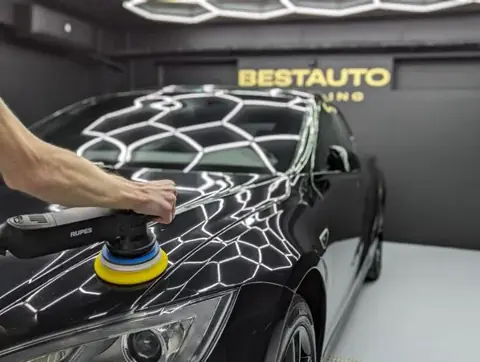
4. Light or Full Polishing If Needed

If the paint already has visible defects, car polishing may be necessary so the film is applied over a better visual base.

5. Precise Final Cleaning Before Installation

The surface needs a controlled final wipe-down so the film is installed onto a properly prepared substrate.

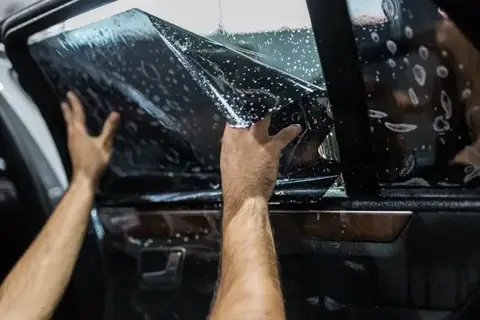
How the PPF Installation Process Works
1. Planning the Zones

The correct amount of coverage should be chosen based on the car, the usage scenario, and the budget.

2. Pattern Cutting or Hand Trimming

Professional studios either use templates or perform controlled hand fitting depending on the project.

3. Positioning and Alignment

The film is placed, adjusted, and aligned with care.

4. Removing Air and Excess Moisture

A large part of installation quality comes from this stage.

5. Edge Treatment

Neat, stable edges are critical for both appearance and long-term durability.

6. Stabilization and Follow-Up Inspection

Freshly installed film needs proper settling and aftercare instructions.

Why the Installer’s Experience Matters So Much

PPF is not a service where material alone guarantees the outcome. Even a premium film can look poor if preparation is weak, alignment is sloppy, edges are badly finished, or the installer lacks experience with complex shapes.

A professional result is visible not only from a distance, but also up close — in clean edges, proper fitment, minimal visible dust, and a natural look on difficult panels.

How Long PPF Film Lasts

A quality PPF system often serves for many years in real use, but the exact life depends on the film itself, how the car is used, how it is washed, and how exposed the covered zones are. Highway mileage, climate, sun exposure, and care habits all matter.

The right way to think about PPF lifespan is not only “how long the film remains physically on the car,” but “how long it keeps looking good and protecting well in real conditions.”

How to Care for a Car with PPF

The maintenance rules are practical and straightforward:

  • avoid aggressive washing methods, especially in the early period after installation;
  • use safe hand washing or film-aware detailing services;
  • avoid harsh chemicals of unknown composition;
  • do not direct high-pressure water too aggressively at edges;
  • remove bird droppings, insects, tar, and sap quickly;
  • follow the studio’s instructions during the stabilization period.
PPF or Ceramic — What Is the Difference?

This is one of the most common questions. The short answer is simple:

  • Ceramic coating improves maintenance, hydrophobic behavior, and gloss.
  • PPF provides real physical protection against chips, abrasion, and daily mechanical wear.

They are not the same class of solution. If your priority is easier washing and visual enhancement, car ceramic coating. If your priority is protecting vulnerable paint from impact, PPF is the stronger choice.

Who PPF Is Especially Good For

PPF makes especially good sense for:

  • new cars;
  • premium vehicles;
  • dark-colored cars;
  • highway-driven cars;
  • owners who plan to keep the car long-term;
  • people who want to preserve the factory finish as much as possible.
Quick Checklist Before Installing PPF

Before booking installation, it helps to clarify:

  • which zones really need protection;
  • whether the car has already been repainted;
  • whether the surface needs polishing first;
  • how the car is used most often — city, highway, mountain routes, mixed use;
  • what matters more: maximum protection, optimized budget, or coverage of specific high-risk zones.
Conclusion

Protective PPF film is one of the most practical choices for owners who want to preserve the body of the car from the natural risks of daily use. It works best when the right zones are selected, the surface is prepared properly, and installation is done professionally.

The real value of PPF is not just that the car looks better today. Its value becomes even more obvious over time — when the headlights show fewer marks, the front end is less chipped, the sills stay cleaner-looking, and the car still appears well-kept months and years later.

What Mistakes Are Most Common When Choosing PPF
Choosing by Price Alone

The cheapest option is often the most expensive later if the material, preparation, or installation quality is poor.

Ignoring Surface Preparation

Applying film over contamination or visible paint defects is a shortcut to a weaker result.

Choosing the Wrong Zones

Some owners underprotect the car for their real usage scenario; others overspend on areas that matter less for them.

Expecting Too Much from the Film

PPF is very effective, but it is not magic armor against every possible situation.

Which Zones Matter Most in Different Scenarios
If the Car Is Used Mostly in the City

The most relevant zones are often:

  • front bumper;
  • headlights;
  • door handle cups;
  • side sills;
  • trunk loading area.
If the Car Drives on the Highway Frequently

A stronger strategy usually includes:

  • the full front end;
  • hood;
  • fenders;
  • mirrors;
  • headlights;
  • and in some cases A-pillars and the leading edge of the roof.
If the Car Is New and the Owner Wants Maximum Protection

In this case, full-body PPF or at least protection of the most exposed visible panels is often considered — especially for expensive, rare, or dark-colored cars.

What Is Normal to Expect in the First Days After Installation

Fresh PPF may show some normal short-term installation traces while the film stabilizes, for example:

  • small moisture traces under the film;
  • very slight changes near edges that settle with time;
  • the surface “calming down” on difficult shapes over the first days.

That is why following the recommended aftercare rules is important. A professional studio should always explain the correct washing, sun, and care routine for the early period.

How to Tell Whether the Car Was Wrapped Properly

A client may not always be able to judge everything immediately, but these signs are useful:

  • the surface looks clean and consistent;
  • there are no large bubbles or obvious trapped dust;
  • edges are neat;
  • on complex shapes, the film sits naturally;
  • the design of the car is not visually broken by rough lines or obvious cut marks.

Very often, quality is visible in the details.

FAQ — Common Questions About PPF Film
Is PPF Visible on the Car?

Quality transparent PPF is minimally visible when installed correctly. Up close, especially near edges and complex zones, the technical boundaries may still be slightly readable.

Can PPF Be Applied to a Used Car?

Yes. A used car often simply requires more preparation first: deep wash, decontamination, and, if necessary, polishing.

Does It Make Sense to Protect Only the Headlights?

Yes, that can be a practical choice, because headlights often take point impact. But for cars that spend a lot of time on the highway, protecting only the headlights is usually not enough.

Can the Film Be Removed Later?

Yes, quality film is usually removable when the material and installation were correct and the film has not aged beyond reasonable limits. Removal is also best done professionally.

Is Ceramic Needed on Top of PPF?

That depends on the goal. In some cases, a ceramic top layer is used to make maintenance easier and enhance the visual effect, but it is a separate service and not always necessary.

Why Proper Consultation Matters Before the Job Starts

PPF should never be sold with a one-size-fits-all approach. A good recommendation depends on:

  • the age and condition of the car;
  • how well the factory paint has been preserved;
  • whether any panels were repainted;
  • where the car is used most often;
  • whether the owner prioritizes maximum protection, optimized budget, or specific risk-zone reinforcement.

An in-person inspection makes the decision much easier. That is when it becomes clear whether the car needs polishing first, which zones truly matter most, and what amount of work is the most sensible.

Final Summary

In short, protective PPF film is one of the smartest solutions for drivers who want to preserve the body of the car from the natural risks of daily use. It is especially effective when the most vulnerable zones are chosen correctly, the surface is properly prepared, and the installation is done by experienced professionals.

The value of PPF is not only that the car looks better today. The real benefit becomes clear over time — fewer marks on the headlights, less chip damage on the front end, cleaner-looking side sills, and a vehicle that still looks more carefully kept even after long real-world use.

Order professional PPF wrapping

Our detailing studio gets things done to a good quality
Real reviews from our clients
Google Reviews
4.8 ★★★★★ (185)
View all reviews on Google
Why Choose Our Detailing Center?
You'll love the result
  • 5 Years of Detailing Experience
    Professional wrapping of hundreds of cars of different makes and models
  • 2 Studios in Tbilisi
    Guramishvili 78 and Anna Politkovskaya 51 — choose a convenient location
  • 2,000 Satisfied Clients
    Hundreds of reviews, 4.9★ rating on Google
  • 10-Year Film Warranty
    We cover peeling, yellowing, and material defects

Order professional PPF wrapping

Our detailing studio will handle your task with quality

Book a consultation

Choose the nearest studio
for a free consultation

Free inspection, pre-consultation and booking for main services available at both locations

BESTAUTO Guramishvili
Tbilisi, Guramishvili Ave. 78
BESTAUTO Guramishvili

Tbilisi, Guramishvili Ave. 78

+995 550 000 299
Mon–Sat 10:00 – 20:00
Enter phone in international format: +995 5XX XXX XXX
Request sent!
We will call you back within 15 minutes.
Or call us: +995 550 000 299
BESTAUTO Saburtalo
Tbilisi, Anna Politkovskaya St. 51
BESTAUTO Saburtalo

Tbilisi, Anna Politkovskaya St. 51

+995 550 000 199
Mon–Sat 10:00 – 20:00
Enter phone in international format: +995 5XX XXX XXX
Request sent!
We will call you back within 15 minutes.
Or call us: +995 550 000 199
Chat on WhatsApp
Choose your studio
Guramishvili Studio
78 Guramishvili St
Saburtalo Studio
51 Anna Politkovskaya St
Book a Free Inspection