Choose PPF for a new car after checking the paint, body condition and areas you want protected. You can discuss wrapping as soon as you collect the vehicle: there is no universal installation window limited to days 7–30 for every new car. The dealership delivery date does not replace inspection or the requirements of the particular film.
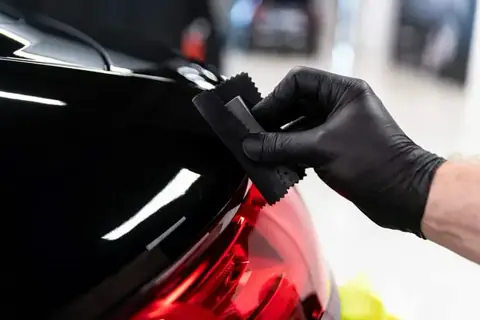
PPF helps reduce the effect of road debris and some surface scratches on covered areas. It does not repair chips or paint defects, or guarantee the original condition after every impact. Current options are on the PPF service page in Tbilisi; below is a checklist for arranging protection for a new car.
When PPF can be installed
Start with the surface history. A new car with factory paint and a recently repainted panel are different cases. Ask the dealer about repairs, wax, ceramic or other applied products. The studio assesses the surface and preparation for the selected film.
The LLumar FAQ treats fresh repair paint and its waiting requirements separately. This is not a mandatory delay counted from buying a factory-painted car. Before covering a repainted panel, check the requirements with the paint repairer and for your chosen material.
If you plan protection, discussing it before your usual journeys makes scheduling easier. A car already driven for several months can still be considered: existing damage and preparation are assessed. Its age alone does not require polishing or a full body wrap.
What to check in the paint and preparation
Even a new car may have transport marks, dealer wash marks, contamination or an existing surface treatment. Discuss panel condition and the work needed before installation. Film can change the surface appearance, but it is not selected to repair damaged paint.
Do not apply fresh wax or coating immediately before your appointment without agreement: compatibility with preparation and the adhesive is checked for the material. LLumar advises against wax and coatings before its PPF. Tell the studio about existing treatments so they can be considered in the quote.
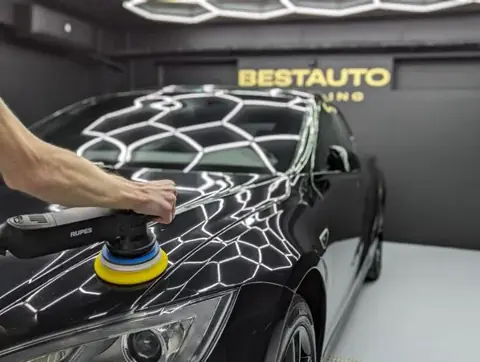
Discuss body polishing for specific defects rather than automatically because of the car's age. Agree which marks need treatment, what it may improve and what damage will remain. Include extra preparation and its price in the discussion before work starts.
How to choose coverage
Define the goal first: one vulnerable panel, front coverage or broader protection. Describe how and where the car is driven, how it is parked and the appearance you want to keep. This helps choose panels; it does not establish a universal percentage of protection against every risk.
| BESTAUTO option | Starting price and coverage |
|---|
| Individual areas | Hood from 800 GEL, bumper from 900 GEL, front fender from 600 GEL, headlights from 350 GEL |
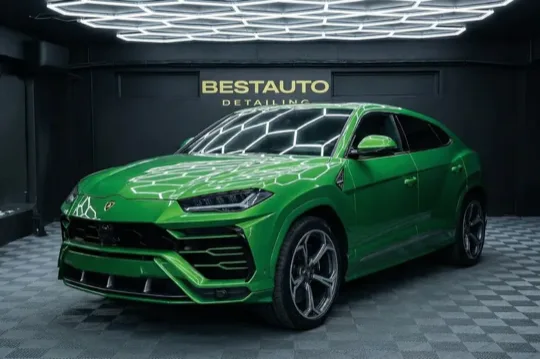
| Front coverage | From 2500 GEL: hood, front bumper, front fenders, pillars, headlights, mirrors and strip above the windshield |
| Full clear PPF | From 6900 GEL; agree the covered surfaces and boundaries for the car |
| Full Lux | From 8600 GEL / +1700 GEL; additionally the windshield and interior elements |
Headlights and mirrors are already included in that front option and are not added again. Discuss the panoramic roof, other panels and extra work for the coverage selected. Material and vehicle condition affect the final quote. Read about partial and full coverage and PPF prices.
Material, documents and warranty
BESTAUTO offers LuxArmor PRO, Quantum Rocket Pro and LLumar Platinum. Compare specific series, your desired finish and the same work scope. Full Lux is a package; LuxArmor PRO is a material. The names refer to separate choices. The three-material comparison helps prepare your questions.
The offered materials have a stated 10-year warranty under manufacturer terms; installation terms are discussed separately. Check the exact series, documents, covered cases and claim procedure. A material warranty does not mean ten years without road damage or replace the car dealer's warranty conditions.
If dealer warranty matters, check its particular terms and requirements for external work before ordering. A single answer cannot be promised for every car manufacturer. Paint condition and future removal are considered separately too.
What to agree before work and at handover
Record the arrangements for the car so both sides understand the scope and conditions.
- Exact material series and finish, covered panels and boundaries.
- Required preparation, extra items and the quote before work starts.
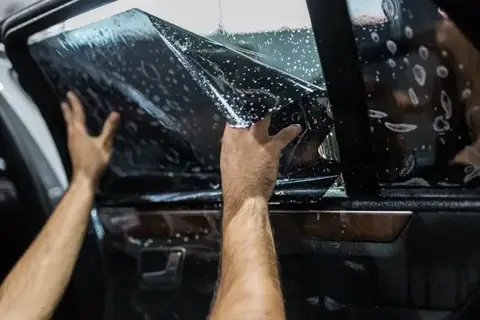
- Installation approach, access to panels and any parts removal.
- Work date, expected readiness and handover arrangements.
- Documents, warranty terms and instructions for the first wash.
Agree the first wash and maintenance for the installed series; there is no single calendar for every material. Do not rub road dust dry, direct a strong jet at an edge or try to fix a bubble or lifted area with heat. Show the change to the installer. See care for a PPF-wrapped car. All services are available at both studios: Saburtalo and Guramishvili.
Frequently asked questions
Can a car be wrapped immediately after collection?
Check the surface and film requirements first. Factory paint has no universal rule to wait exactly a week; fresh repair paint and existing coatings are considered separately.
Does every new car require polishing?
The need depends on particular defects and the agreed preparation. The production or purchase date alone does not make polishing mandatory.
Is front coverage enough for my car?
It depends on the areas you want protected and how the car is used. Front coverage protects the agreed panels; sides and rear areas outside it are assessed separately, without a general risk percentage.
When can I wash the car after installation?
Get the selected series' instructions at handover. First wash timing, products and handling the edges depend on the material and installation conditions.