For many people, ceramic coating is associated simply with “beautiful shine,” but in practice the service solves a broader task. A properly selected and professionally applied coating reduces the negative effect of everyday use, improves hydrophobic behavior, makes washing easier, and helps the car keep a cleaner, better-maintained look for longer. At the same time, expectations need to stay realistic: ceramic coating is not armor and it does not replace PPF where the real concern is chips, highway use, and mechanical impacts.
In this guide, we explain in simple terms how ceramic coating works, what the application process looks like, why surface preparation is the most important part of the job, how curing works, and how the car should be maintained afterward. When ceramic is understood in the right context, it is a very effective solution for owners who want stronger gloss, simpler maintenance, and additional resistance to environmental and chemical exposure.
What Ceramic Coating Is and How It Works
Ceramic coating forms a thin protective layer on a suitable painted surface, improving water behavior and making maintenance easier. Resistance to sunlight and chemical exposure follows the selected product and its requirements. The same properties cannot be assumed for every coating, interior material or glass treatment.
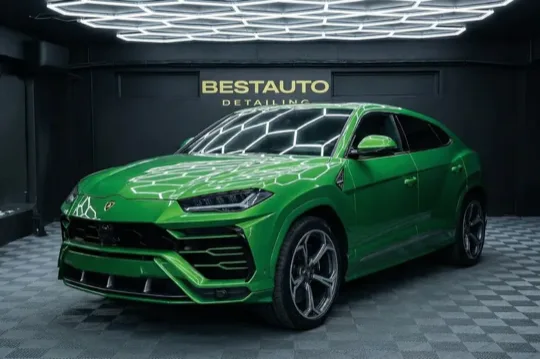
The core idea is simple: the ceramic product is evenly distributed across a correctly prepared surface and then allowed to cure. The end result is a slicker, cleaner-looking finish that resists contamination more effectively and visually enhances depth of color. That is why a coated car often gets that “wet gloss” appearance.
What Ceramic Coating Gives You in Practice
Ceramic coating is most useful for owners who already care about their vehicle and want the maintenance routine to become easier. Its real-world benefits usually include:
- a glossier, visually deeper finish;
- water that sheets or beads more effectively;
- easier removal of dust and light road film;
- less effort during regular washing;
- a paint surface that looks cleaner for longer;
- resistance to environmental exposure according to the selected formula and care.
Ceramic is not intended to remove scratches. Reducing their appearance starts with assessing whether polishing is suitable. To reduce stone-chip risk, consider paint protection film separately; coating and film perform different jobs.
When Ceramic Coating Is Truly Appropriate
Ceramic is especially worthwhile in the following situations:
- on a new car, when you want to preserve a fresh factory look for longer;
- after polishing, when the surface has already been corrected and you want to lock in the result;
- on dark-colored vehicles, where gloss and reflection quality matter more;
- on city-driven daily cars, where easier maintenance is a major benefit;
- before sale, when a cleaner, more premium appearance helps the car present better.
Water spots, wash marks, haze and other defects first need assessment and suitable preparation. This may include polishing according to condition. Agree the correction, its limits and any marks that will remain before coating.
Why Preparation Is the Most Important Stage
The result depends on preparing the surface for the selected product. Tar, metallic fallout, old wax and oily residues can interfere with assessment and compatibility. Visible defects need a separate discussion; correcting them is not automatically included in every application.
That is why a professional ceramic process always starts with preparation:
- deep washing;
- decontamination suited to the surface and contamination;
- surface inspection;
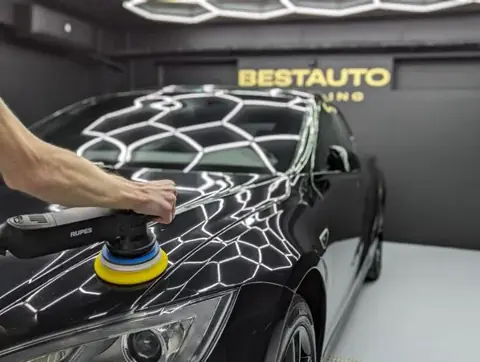
- polishing if required;
- degreasing to remove oils and residues.
Ceramic does not repair paint defects or replace assessment. Appropriate preparation means a suitably clean surface and an agreed correction result, rather than compulsory removal of every scratch. The preparation guide explains how the work is chosen.
The 5 Main Stages of Ceramic Coating Application
1. Deep Wash and Decontamination
The car is first washed safely, then decontaminated to remove embedded pollution such as tar, iron fallout, and stubborn residue. This gives the coating a clean foundation.
2. Surface Condition Assessment
The technician assesses surface condition, repair history, wash marks, holograms and haze. Agree which defects can be reduced, which will remain and whether the finish is suitable for coating. The vehicle's age alone does not determine correction.
3. Polishing if Necessary
Where appropriate, the agreed paint correction is carried out within the finish's limits. It can improve reflections and gloss, but deeper damage should not be promised removable at any cost.
4. Degreasing and Coating Application
After the surface is corrected and fully cleaned, the coating is applied in a controlled manner. Proper lighting, temperature, and technique matter here.
5. Curing and Early Aftercare
After application, the coating needs time to cure. Exposure to water, the first wash and maintenance products follow the selected formula and working conditions. Obtain those instructions before collection. For example, GYEON publishes specific instructions for Q² Mohs EVO; they are not a universal schedule for all BESTAUTO coatings.
The Main Myths About Ceramic
Myth 1: Ceramic Protects Against Stone Chips
It does not. Ceramic helps with maintenance and environmental exposure, but it is not a replacement for PPF where impact protection matters.
Myth 2: After Ceramic the Car No Longer Gets Dirty
It still gets dirty. The difference is that dirt sticks less aggressively and is easier to remove.
Myth 3: Ceramic Hides All Scratches
It does not. If scratches are already visible, the surface usually needs correction before coating.
Myth 4: Every Studio Delivers the Same Result
Not even close. Product quality, preparation quality, lighting, technique, and aftercare instructions all affect the outcome.
Ceramic or PPF: Which One Should You Choose?
Choose ceramic if your main priorities are:
- stronger gloss;
- easier washing;
- better hydrophobic behavior;
- improved visual preservation.
Choose PPF if your main priorities are:
- chip protection;
- stronger resistance to mechanical damage;
- long-term preservation of the front end and high-risk zones.
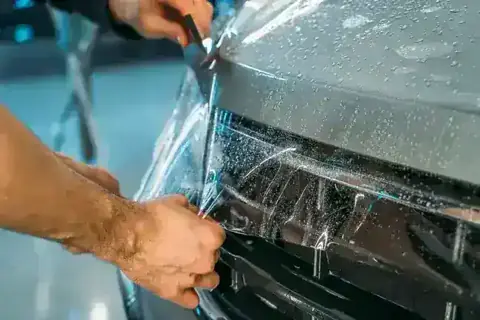
A combination may suit the task: PPF on vulnerable areas and ceramic on suitable painted surfaces elsewhere. Coating over PPF is considered only where the selected materials are compatible and the surface condition is suitable. It is not an automatic addition to every film installation.
Current Prices at BESTAUTO
Current starting prices appear on the ceramic service page and in the price list:
These prices cover different work and areas. The polishing + ceramic offer is a separate proposal, rather than a promise of any amount of correction for one fixed price. Preparation, material, coverage, the final quote and timing are agreed after inspection.
How to Care for the Car After Ceramic
The coating performs best when maintenance remains safe and simple:
- avoid harsh automatic brush washes;
- use pH-neutral washing chemistry where possible;
- remove bird droppings, bug residue, and tree sap promptly;
- dry the car with proper microfiber towels;
- follow any studio-specific aftercare instructions.
Ceramic reduces maintenance effort but does not remove the need for good habits. The current BESTAUTO body-coating offer has an effect of up to 3 years with proper care, not a uniform warranty or a lifespan for interior and glass treatments. If water behavior changes or spots appear, assess contamination and condition first.
Who This Service Fits Best
Ceramic coating is best for owners who want:
- a cleaner, deeper-looking finish;
- simpler day-to-day maintenance;
- better resistance to environmental contamination;
- a more stable visual result after polishing.
Conclusion
Ceramic coating is not magic, and it is not armor. But when used for the right purpose and applied to a properly prepared surface, it is one of the most practical ways to improve gloss, simplify washing, and help the car stay visually fresh for longer.
Short Answers to Common Questions
Does Every Car Need Polishing Before Ceramic?
No. Preparation is necessary, but abrasive correction follows paint condition, the intended result and technical limits. Agree any remaining defects before application.
Can Ceramic Replace PPF?
No. Ceramic helps with gloss and maintenance; PPF is considered separately to reduce chip risk on vulnerable areas.
Is Ceramic Worth Considering for a Daily Driver?
It can suit owners who want easier cleaning and a well-kept appearance. Choose the material and preparation for the actual finish and maintenance habits.
How Long Does Ceramic Take to Cure?
Curing, the first exposure to water and the first wash follow the selected product and working conditions. Obtain specific instructions before collecting the car rather than using one timetable for every coating.
All services are available at both studios: Saburtalo and Guramishvili. Choose a convenient studio on the service page to discuss preparation, the coating and aftercare. Work, the final quote and timing are agreed after inspection.