Ceramic coating is usually associated with gloss, water beading, and a cleaner-looking surface. That is why one of the first questions most people ask is also the most practical one: how long does ceramic actually last on a car?
The question is completely fair, because marketing materials often mention very impressive timeframes. In practice, however, the result is almost never determined only by what the product description says. The actual lifespan always depends on several factors at once: how well the surface was prepared, how the car is used, how it is washed, where it is parked, and what kind of contamination it faces every day.
For the current BESTAUTO offer, the body-coating effect is up to 3 years with proper care. This applies to the body service, not every ceramic product, interior treatment or glass treatment. Results depend on the surface, application, use and maintenance; an effect duration is not in itself a warranty.
How Long Ceramic Lasts in Real Conditions
The biggest mistake when discussing ceramic durability is trying to find one universal number. In reality, that number does not exist. The same service can perform very differently on different cars.
A better way to understand ceramic lifespan is this: how long does the surface keep delivering the effect you originally paid for? That effect usually includes stronger gloss, better water behavior, easier dirt removal, and a more consistently refined appearance. Once those qualities begin to fade, owners start feeling that “the ceramic is gone,” even if some residual effect is still technically present.
BESTAUTO body ceramic coating has an up-to-3-year effect with proper care. Vehicle age alone is not a sound comparison: a new car may have defects or contamination, while a used car may have a well-prepared surface. Paint condition, preparation, material compatibility and everyday care matter. Repainting and previous polishing should also be discussed before work.
That is why the better question is not just “How long does ceramic last?” but “How long will ceramic last in my conditions?”
How to Read a Coating Duration and Its Conditions
A product duration, the effect of a service and a warranty are different things. Before booking, ask which material will be used, what preparation and care it needs, which areas are included and what the stated duration means. If a warranty is offered, discuss its terms separately rather than assuming every number promises the same result on every car.
A car parked outside deals with strong sunlight, dust, exhaust fallout, mineral spotting after rain, bird droppings, tree sap, and often poor washing habits as well. Add harsh towels, strong chemistry, and rushed car washes, and the real result naturally differs from the brochure.
Compare the actual offer with how you use the car: parking, contamination removal and washing habits. A long duration alone does not answer those questions. BESTAUTO currently offers an effect of up to 3 years for body ceramic with proper care; another product’s properties do not automatically define this service.
What Determines Ceramic Durability
1. Surface Preparation Quality
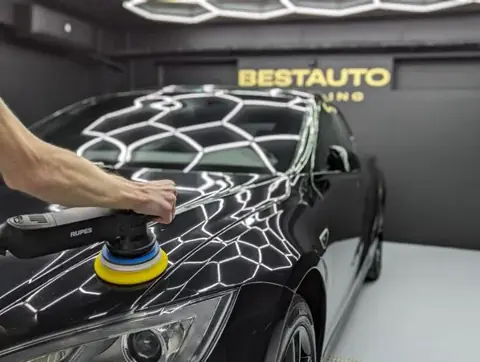
This is one of the biggest factors. If the paint was properly washed, decontaminated, and corrected where necessary before application, ceramic bonds and performs much better. Poor preparation shortens practical life from the beginning. If paint defects need correction, body polishing may be considered before coating. Choose the work for the condition; preparation does not make abrasive correction mandatory for every car.
2. Climate and Sun
Warm weather heats panels and dries water faster, making neglected contamination harder to remove. This calls for careful washing rather than proving that every coating deteriorates at the same rate in sunlight. Avoid applying cleaners to hot panels or letting them dry; check resistance and care requirements for the selected material.
3. Washing Habits
Even a good coating deteriorates faster if the car is washed with harsh brushes, aggressive chemicals, or dirty accessories. Safe washing has a direct impact on how long ceramic keeps working well.
4. Type of Contamination
Some contamination is much harsher than normal road dust. Bird droppings, resin, mineral spotting, insects, and chemical residues stress the surface much more. If they are left on the body for too long, the coating weakens sooner.
5. Intensity of Use
A daily-driven highway car will naturally put more stress on its surfaces than a gently used city car. More mileage, more contamination, and more environmental exposure usually mean faster decline.
What to Watch for in Hot Weather
Dried drops, mineral marks, bird droppings and insect residue can affect water behavior and appearance. Those signs alone do not measure the remaining original coating. Work on a cool surface, remove contamination appropriately and assess persistent marks before adding another product. Hot weather does not establish one lifespan, a mandatory polishing schedule or a refresh calendar for every coating.
How to Tell That Ceramic Is Beginning to Fade
Owners usually start noticing decline through several signs:
- water no longer beads or sheets as well as before;
- the surface no longer feels as slick;
- the car gets dirty faster;
- contamination no longer releases as easily during washing;
- the finish still looks decent, but the “fresh ceramic” effect is clearly weaker.
It is important to understand that fading hydrophobic behavior does not always mean the coating is completely dead. Sometimes the surface is just contaminated and needs proper cleaning or refresh.
How to Extend the Life of Ceramic
Wash the Car Correctly
The safer the wash routine, the longer the coating keeps its look and behavior.
Do Not Leave Difficult Contamination for Too Long
Bird droppings, tree sap, mineral spotting, and insect residue should be removed as soon as reasonably possible.
Avoid Overly Aggressive Chemistry
Strong acidic or alkaline products used carelessly can weaken the coating faster than necessary.
Refresh the Surface Periodically
First distinguish contamination from coating condition. Compatible cleaning may improve water behavior, while a maintenance product adds its own effect. For example, GYEON Q²M Cure is described as a maintenance product that also works on uncoated paint. Fresh beading after a topper therefore does not prove that the original coating remains or restart its up-to-3-year lifespan.
Reduce Constant Parking Under Harsh Sun When Possible
Shade or covered parking helps reduce heating and water drying during care, but tree parking also brings sap and bird-dropping risks. Parking alone does not guarantee coating duration; surface condition and careful regular maintenance should be considered together.
Ceramic or PPF: Which Problem Does Each Solve?
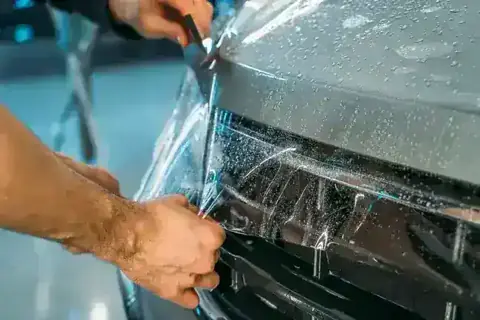
Ceramic and PPF are not a universal ranking of which always lasts longer. Ceramic helps with gloss, water behavior and cleaning. Paint protection film provides a physical barrier and helps reduce chip risk on selected areas; its service life and limitations depend on the material and use.
Ceramic helps with gloss, dirt release, and everyday visual upkeep. PPF creates a physical barrier against actual impact, rock chips, and mechanical damage. They solve different problems.
A Strong Combination: PPF + Ceramic
PPF on vulnerable areas and ceramic on other suitable surfaces can be considered together. Coating over the film itself needs a separate compatibility check for its top layer and finish. A combination does not prevent every impact and is not necessary for every owner; start with the purpose and paint condition.
Frequently Asked Questions
Is it true that ceramic lasts 10 years?
A duration for one product or warranty should not be transferred to every service. The current BESTAUTO body-ceramic offer is an effect of up to 3 years with proper care. Check the selected material and any warranty terms separately.
If water no longer beads, does it mean the ceramic is finished?
Not necessarily. Assess contamination and washing conditions first. Compatible cleaning or a topper can change water behavior, but beading alone cannot establish the remaining original ceramic or the need for a full reapplication.
Can the service life of ceramic be extended?
Safe washing and timely contamination removal help preserve useful performance. Maintenance follows actual condition and the material instructions; it does not promise another three years on top of an existing coating.
Is ceramic enough for a new car?
It may be enough if your priority is gloss and easier care. If your main concern is impact protection and paint preservation in high-risk areas, PPF is often the stronger answer.
Final Conclusion
There is no universal ceramic lifespan. Preparation, surface condition, washing, contamination and use all matter. Different signs should be assessed separately rather than treating every change in beading as complete coating failure.
The current BESTAUTO body ceramic service starts from 500 ₾, with an effect of up to 3 years with proper care. Preparation, areas and the final quote are agreed after inspection; this is not a refresh price or an interior/glass duration. Read the detailed aftercare guide when planning maintenance. All services are available at both studios: Saburtalo and Guramishvili. Photos start a preliminary discussion; work and timing are confirmed after inspection.