PPF removal is a separate task that requires assessment of both the film and the surface beneath it. It may be needed for damaged covering, a material replacement or preparation for other panel work. Discuss your goal with BESTAUTO in Tbilisi through the PPF service page and agree the inspection and scope. Film age alone does not determine removal needs, cost or safety.
When to discuss film removal
Show the car to a specialist if the film has visibly changed, is damaged or obstructs agreed work on the surface. Yellowing, cloudiness, cracking and a lifted edge are reasons for assessment rather than an automatic full rewrap. First establish whether the change concerns the film, contamination or another cause.
Reduced water repellency does not establish that the film has stopped protecting the paint. An intact wrap has no universal “remove after this many years” rule. If only an edge is affected, see the PPF edge-lifting guide: local assessment and removing an entire wrap involve different scopes.
What to check before work begins
Share the known paint and body repair history, film series, installation date and previous treatments. The specialist needs to assess visible damage, termination lines and the panel surface. Paint condition beneath opaque or changed material cannot always be established fully in advance.
Factory paint is not a zero-risk promise, and a respray alone does not establish that clearcoat will lift. Matte paint and matte film are different surfaces; products and further preparation must suit what remains on the car after removal.
| Situation | What to discuss before deciding |
|---|
| A change on one panel | Whether work can stay local and what to check nearby |
| A planned covering replacement | Areas to remove, replacement material and included preparation |
| Known repair or paint changes | Information and checks available before removal, and how to agree further steps |
Inspection helps choose an approach without promising that every paint surface will return to its original condition. If work reveals an additional issue, its solution and cost need separate agreement.
Organising removal and cleanup
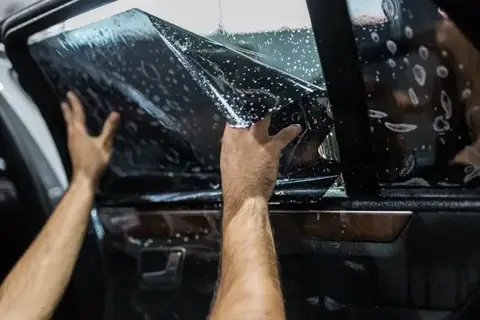
The work sequence includes assessing the area, selecting a method for the actual film and surface, removing film, checking adhesive residue and inspecting the exposed paint. Heat or cleanup products must follow the material and surface instructions. No single temperature, angle or speed applies to every car.
In its PPF FAQ, LLumar recommends professional removal and specifies temperature conditions. This is guidance for its material rather than a universal heat-gun setting for every PPF.
Do not start by using a blade on the body or choosing a solvent by name or concentration alone. Adhesive residue needs a product compatible with the exposed surface. A product suitable for one finish does not automatically suit matte paint, plastic or seals. Heating or chemical treatment before inspection can change the area being assessed.
What affects the time and price
Removal area, film condition and integrity, access to edges, adhesive residue and further preparation affect the quote and timing. Material age is one known factor rather than a formula for a percentage surcharge or a fixed number of days. Confirm an estimate after inspection and how additional work would be agreed.
New installation pricing is not removal pricing. Do not assume removal costs a fixed percentage of installation, comes included in a replacement package or earns a discount. A proposal can usefully separate removal, cleanup, surface preparation and new film where needed. The current price list gives installation offers; discuss removal and additional preparation separately.
For the initial discussion, prepare:
- Photos of the car, relevant panels and visible changes without lifting film.
- Installation date, place, brand and series, if known.
- Details of resprays, repairs and products used previously.
- Your goal: remove one area, replace covering or prepare the surface.
Photos help describe the task but may not establish the final scope and price. All services are available at both studios: Saburtalo and Guramishvili. Choose the convenient studio through the PPF contacts and arrange an inspection.
Preparing for new PPF
After removal, check the paint and adhesive residue. New covering follows suitable preparation when the surface allows the chosen installation. This does not automatically mean same-day readiness or compulsory polishing of every panel.
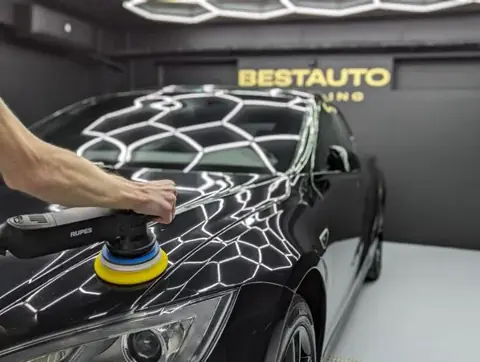
Polishing may be discussed for a suitable painted surface and particular marks. Matte paint should not be treated as a normal gloss surface for that correction. If paint damage or repair needs are found, agree those steps before the new installation and its schedule.
For new material, confirm the series, areas, preparation and warranty terms. After installation, care starts with the instructions for that series; the PPF care guide explains the general principles. New-series warranty terms are discussed separately from removing the old material.
Frequently asked questions about PPF removal
Can I remove film myself?
Do not apply a universal temperature, angle or solvent recommendation to your car. Without knowing the material and surface, the result is difficult to assess. Start by discussing the area with a specialist and preserve its condition before inspection.
Will glue or marks remain on the paint?
Adhesive residue is possible and needs compatible cleanup. No advance promise can rule out every mark or guarantee an original finish on every surface; assess the particular panel.
How long does full-car removal take?
Area alone is insufficient to set a time without assessing the material and preparation. After inspection, confirm an estimate, included tasks and how any additional surface issues would be handled.
Can new PPF be installed immediately?
After removal and cleanup, assess and prepare the surface for the chosen series. Installation suitability, polishing or other repair and timing depend on panel condition rather than automatically happening on removal day.